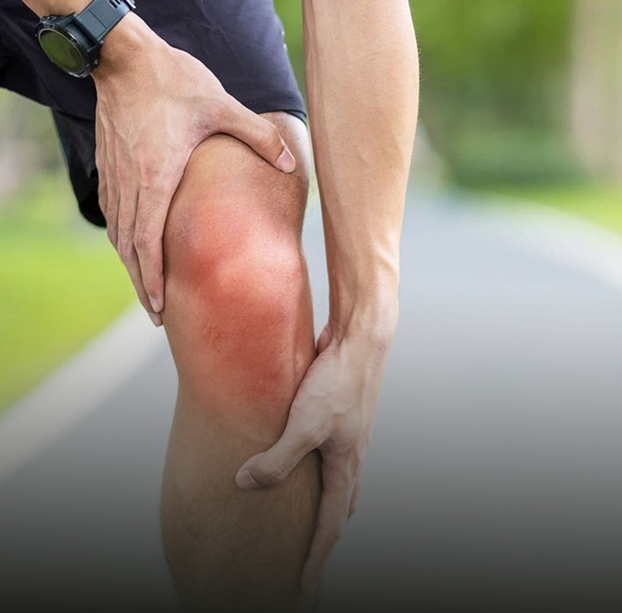
Knee pain can happen at any age — whether you are an athlete, someone who stands or walks for long hours, or an older adult. While many cases may seem similar, the location of the pain, how it feels, associated symptoms, and when it occurs can reveal whether the cause is injury, inflammation, or early osteoarthritis.
Understanding these warning signs can help you recognize when it's time to seek medical attention before the condition becomes more serious.
Common Types of Knee Pain and What They May Mean
1. Gradually worsening pain while walking, climbing stairs, or standing for long periods
This pattern is commonly associated with knee osteoarthritis caused by cartilage degeneration. Symptoms may include stiffness, limited movement, or a grinding sensation inside the joint — especially after waking up or sitting for extended periods.
2. Sudden knee pain after injury, accompanied by a "pop," swelling, or instability
This may indicate ligament injuries such as an ACL tear or a meniscus injury. It often occurs after sports, twisting motions, awkward landings, or accidents. If the knee feels unstable or cannot fully straighten, medical evaluation is recommended immediately.
3. Pain at the front of the knee or beneath the kneecap
Pain that worsens during stair climbing, running, or squatting may be related to patellar tendonitis or patellofemoral pain syndrome, commonly caused by repetitive overuse.
4. Knee pain with swelling, redness, and warmth
These symptoms may suggest bursitis, inflammatory arthritis, or even joint infection. If accompanied by fever or severe pain, urgent medical attention is necessary.
5. Pain in both knees with morning stiffness
When multiple joints are affected — especially the hands and knees — this may indicate rheumatoid arthritis or other inflammatory joint diseases rather than simple overuse.
6. Sudden severe pain with swelling and redness without obvious injury
This can be a sign of gout or joint infection, particularly when the pain is intense enough to limit movement or occurs with fever.
Warning Signs You Should Never Ignore
- Inability to bear weight or knee instability
- Rapid swelling after injury
- Knee locking or inability to fully bend/straighten
- Severe pain after a fall or twisting injury
- Swelling with redness, warmth, fever, or chills
- Persistent pain that interferes with sleep or daily life
Ignoring these symptoms or relying only on pain medication may worsen the condition. Proper evaluation with physical examination and imaging such as X-ray, ultrasound, or MRI may be required for accurate diagnosis.
Early Self-Care Tips for Mild Knee Pain
- Resting from aggravating activities
- Applying cold packs to reduce pain and swelling
- Elevating the leg during rest
- Returning gradually to low-impact exercise such as walking, cycling, or swimming
- Maintaining a healthy weight
- Strengthening the thigh and hip muscles to reduce stress on the knee
If knee pain persists for more than 1–2 weeks or keeps returning, a professional evaluation is recommended. Early diagnosis and treatment can help prevent long-term joint damage and support a faster recovery.
Related Service : Hip & Knee Reconstruction Center
Dr. Bhupaak Engkapawastr, M.D.
Orthopaedist